

Top-Rated Little Rock Roofers: Comprehensive Roofing Services
Picking the right local roofing contractor in Little Rock protects your property, preserves its value, and lowers long‑term maintenance headaches. This guide walks homeowners and business owners through what to expect — from how reputable roofers operate to typical repair and replacement costs in our area. You’ll get clear comparisons of materials, an overview of commercial options, steps for storm‑damage response, and instructions for scheduling a professional inspection or getting help with a claim. The focus is practical, local guidance for both residential and commercial decisions and on the contractor checks that matter most: licensing, insurance, warranties, and quick local response. If you want a fast inspection or estimate, many Little Rock providers — including NM Make Ready & Maintenance, LLC — offer free roof inspections and written quotes to get you started. Read on for cost comparisons, an emergency action plan, and clear expectations for an inspection so you can move from diagnosis to repair with confidence.
Why Choose the Best Roofing Companies in Little Rock, AR?
Local roofing companies respond faster, rely on community reputation, and understand how Little Rock weather affects roofs — all of which reduce project risk and timeline surprises. A vetted contractor will follow local building codes and pull the right permits; licensing, bonding, and insurance protect you from liability and sloppy subcontracting. Workmanship and manufacturer warranties give added protection for both labor and materials, and experienced crews can help document damage and work with insurance to simplify reimbursements. When vetting firms, prioritize verified credentials, recent local references, and a clear written scope of work — those checks cut the chance of unexpected costs and support a timely, durable outcome.
Examples of helpful local services include free roof inspections and insurance‑claim assistance that shorten decision time and increase transparency. NM Make Ready & Maintenance, LLC is a Little Rock company that offers complimentary inspections and quotes, assists with claims, and backs work with a one‑year workmanship warranty alongside standard manufacturer warranties. These services show how local contractors can bundle inspection, documentation, and warranty support to make repair or replacement projects smoother for property owners.
This section summarizes why local expertise matters and how to verify reputation and credentials before requesting an estimate. The next section outlines concrete checks homeowners and property managers can use to vet contractors.
What Makes Local Roofing Contractors in Little Rock Reliable?
Reliable Little Rock roofers carry verifiable licenses, bonding, and insurance — credentials that reduce financial and legal risk for property owners. Ask for license numbers and insurer names, then confirm them with the relevant state or local agency; that protects you from uninsured liability and unexpected subcontracting. Local reviews and project references reveal response times, cleanup habits, and workmanship consistency — request recent Little Rock examples to see how a contractor handles our climate. Always get a written contract that spells out scope, payment milestones, and warranty language so everyone shares the same expectations before work begins.
How Does NM Make Ready & Maintenance Stand Out Among Little Rock Roofers?
NM Make Ready & Maintenance, LLC serves Little Rock and Central Arkansas with licensed, bonded, and insured crews focused on clear communication and reliable service. The company highlights free roof inspections and written quotes plus hands‑on insurance‑claims assistance to help owners document storm damage and move approvals forward. NM Make Ready also offers a one‑year workmanship warranty in addition to manufacturer warranties that typically range 25–30 years, showing the layered protection homeowners can expect for labor and materials. Those trust signals help homeowners compare offers and prepare for the next step: estimating repair or replacement costs.
What Are the Typical Costs for Roof Replacement and Repair in Little Rock?
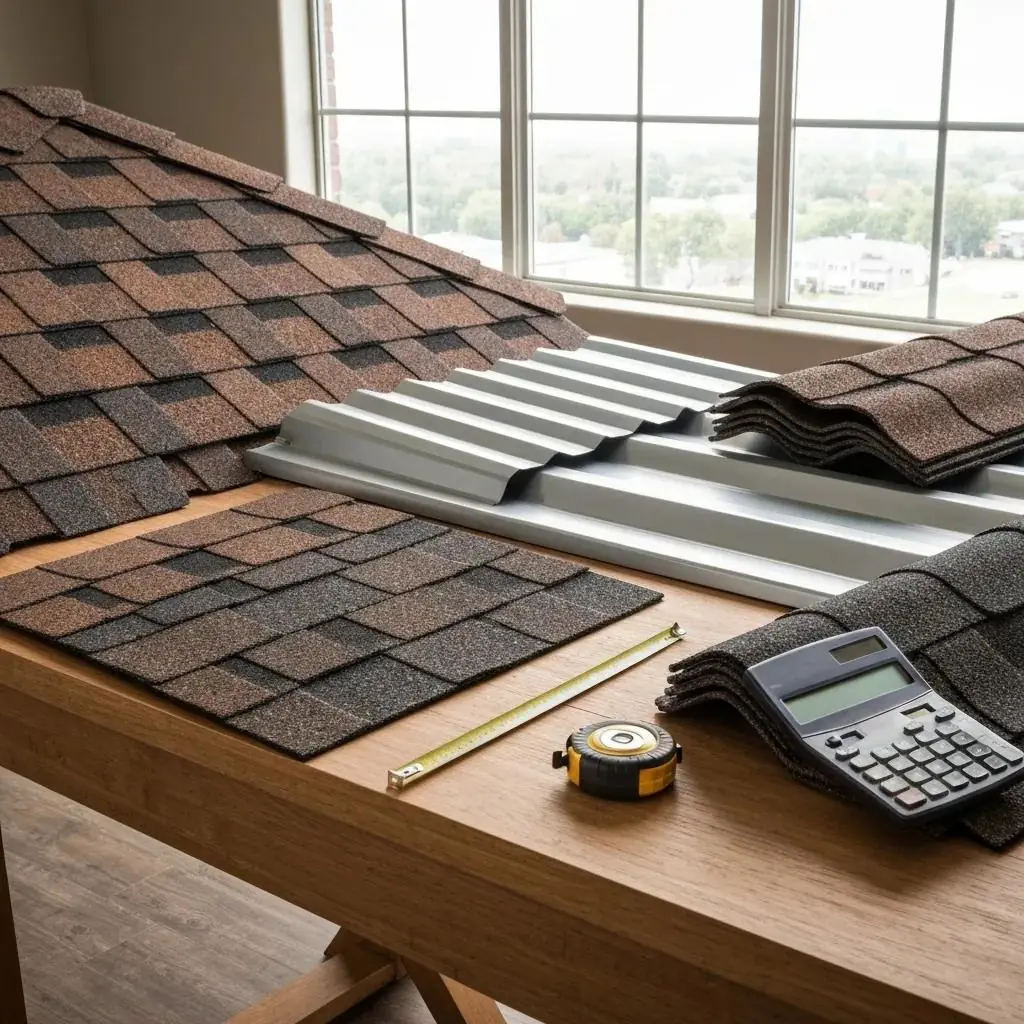
Replacement and repair costs in Little Rock depend on material, roof size and pitch, and how much underlying damage exists. Small fixes — like a few shingles or flashing repairs — often run a few hundred dollars, while full replacements commonly reach several thousand dollars depending on materials and square footage. Key cost drivers are roof complexity, access and pitch, permit and disposal fees, tear‑off and decking repairs, and the materials you choose. Understanding those variables helps you predict realistic estimates. The table below summarizes typical material cost ranges and expected lifespans so you can compare options side by side when planning a budget.
Remember that free inspections and written quotes from local contractors provide the measurements and condition details needed to turn these ranges into a firm price. NM Make Ready & Maintenance, LLC offers free roof inspections and written quotes to convert these general ranges into a clear, documented estimate for Little Rock properties.
| Material | Typical Cost Range (per roof size) | Typical Lifespan |
|---|---|---|
| Asphalt Shingles (3-tab or architectural) | $3,900–$24,300 (varies with size ~1,500–4,000 sq ft) | 20–30 years |
| Metal Roofing (standing seam, panels) | $12,000–$30,000 | 40–70 years |
| TPO (commercial low-slope) | $8,000–$22,000 | 20–30 years |
| EPDM (commercial low-slope) | $7,000–$20,000 | 20–30 years |
That table shows how material choice affects both upfront cost and expected service life, helping homeowners balance initial investment against long‑term value. The next section breaks down material‑specific factors and what works best for Little Rock’s climate.
How Much Does Roof Replacement Cost in Little Rock by Material Type?
Asphalt shingles are generally the most budget‑friendly choice for Little Rock homes, offering moderate upfront costs and lifespans around 20–30 years depending on product grade and installation. Metal roofing requires a higher initial investment but lasts much longer and resists hail and wind better, which can reduce lifecycle costs and affect insurance rates. Commercial membranes like TPO and EPDM suit low‑slope roofs; they install quickly and balance energy performance with repairability, making them common for retail and warehouse buildings. Choose materials based on local exposure, building use, and long‑term maintenance expectations.
What Factors Influence Roof Repair Costs in Little Rock, AR?
Repair costs depend on visible damage and any hidden issues found under the surface — discovering rotted decking or wet insulation raises labor and material needs. Roof access and steepness affect labor because steep or difficult roofs require extra safety gear, scaffolding, or specialized equipment. Material availability and whether matching shingles or specialty parts are required will change parts pricing and timing, especially for older homes with discontinued products. Permit requirements and disposal fees also add to the final bill. A professional inspection early in the process clarifies these variables so you can weigh repair versus replacement effectively.
Which Residential Roofing Services Are Available from Top Little Rock Contractors?
Residential roofers in Little Rock offer services including inspections, leak detection and repair, partial and full replacements, preventive maintenance, and emergency tarping — covering immediate fixes and long‑term protection. Regular inspection and maintenance catch loose flashing, granule loss, and attic moisture before they turn into structural problems, while targeted repairs restore watertightness with minimal disruption. For replacements, contractors typically handle tear‑off, decking repair, underlayment installation, flashing replacement, and cleanup to meet warranty requirements. The table below outlines typical service scopes and when each is recommended.
| Service | What It Includes | When It's Recommended |
|---|---|---|
| Roof Inspection | Visual and photographic assessment, attic check, flashing review | Annual or after storms |
| Leak Repair | Localized shingle or flashing repair, seam sealing | Isolated leaks or visible water entry |
| Partial / Spot Replacement | Replace sections of shingles and underlayment | Localized failure with sound surrounding roof |
| Full Replacement | Tear-off, decking repair, new underlayment, new roofing | Widespread wear, age >20 years, or repeated leaks |
| Preventive Maintenance | Gutter cleaning, flashing tightening, sealant renewal | Bi-annual upkeep to extend roof life |
Use this table to match symptoms to the appropriate service so you can choose the right scope. The following section helps you spot early warning signs that should trigger an inspection.
How to Identify Signs You Need Residential Roof Repair in Little Rock?
Watch for interior water stains on ceilings, attic moisture, or active drips — these are clear signals the roof’s water barrier has failed and can lead to structural damage. Outside, look for missing, curled, or cracked shingles, granules in gutters, sagging roof decks, and damaged flashing around chimneys or vents. Check your roof in spring and fall to catch storm damage and prepare for seasonal temperature swings that stress roofing materials. Early detection lets you use targeted repairs rather than facing a full replacement later.
What Are the Benefits of Timely Residential Roof Maintenance and Repair?
Timely maintenance preserves the roof’s protective layers — shingles, underlayment, flashing, and gutters — and prevents water intrusion, wood rot, and interior damage that can be far more costly than preventive fixes. Regular upkeep extends material life and helps maintain energy performance by protecting insulation and ventilation. Keeping a maintenance record also supports warranty claims and strengthens documentation for insurance after storms. Small, regular actions reduce lifecycle costs, protect property value, and give you a clear timeline for when a full replacement will be necessary.
What Commercial Roofing Solutions Do Leading Little Rock Contractors Offer?
Commercial roofing for Little Rock buildings focuses on low‑slope systems and durable materials that handle ponding water, thermal movement, and rooftop equipment loads. Common systems are TPO, EPDM, and metal standing seam assemblies — each with different seam technologies, reflectivity, and repair profiles. These roofs benefit from scheduled maintenance (often twice a year) to catch membrane punctures, seam separation, or flashing issues. Contractors also offer restorations, roof coatings to extend life, and maintenance agreements to reduce business downtime. Evaluate systems by lifecycle cost, energy performance, and maintenance needs to find the right fit for your building and budget.
How Do TPO and EPDM Roofing Systems Benefit Commercial Properties in Little Rock?
TPO delivers heat‑reflective performance and heat‑welded seams that reduce seam‑related leaks and improve cooling efficiency in warm months, lowering operating costs. EPDM, a durable rubber membrane, offers proven weather resistance and straightforward repairs for low‑slope roofs, and it tolerates thermal cycling when properly installed. Both install faster than some built‑up systems; TPO repairs focus on seam integrity while EPDM repairs rely on patching and compatible adhesives. Choose between them by weighing long‑term energy savings against initial installation cost and expected maintenance frequency.
Why Choose Metal Roofing for Commercial Buildings in Little Rock?
Metal roofing delivers long service life and strong resistance to hail, wind, and fire, and reflective coatings can improve energy performance in warm seasons. Metal systems generally need less frequent maintenance than membranes and suit warehouses, agricultural buildings, and certain retail structures where durability and low lifecycle maintenance are priorities. Although upfront cost is higher, metal’s longevity and lower replacement frequency often translate to better lifecycle economics and possible insurance or tax benefits for some property owners. These factors help commercial owners balance immediate capital expenditure with long‑term savings.
How Do Top Little Rock Roofers Handle Storm Damage and Emergency Repairs?
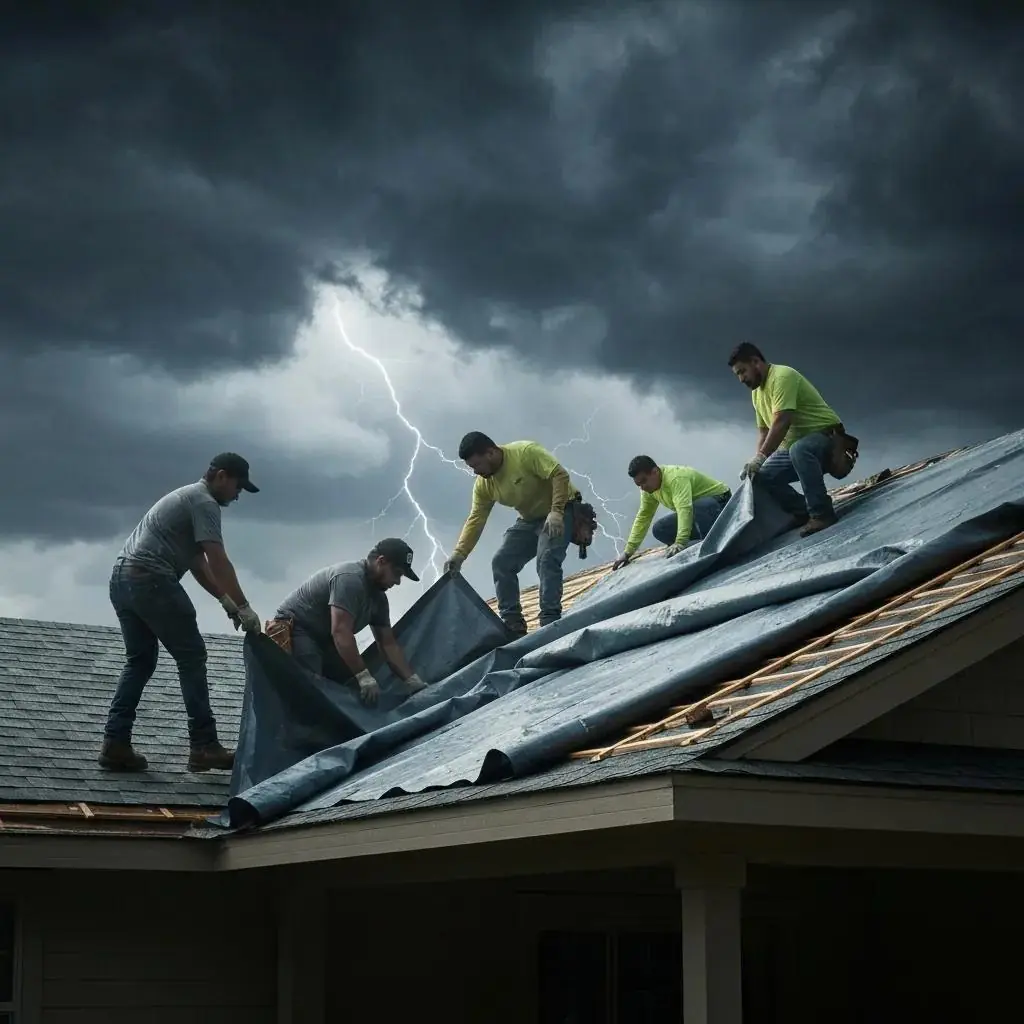
After a storm, reputable roofers put safety first, provide temporary protection, and document damage thoroughly to preserve interior condition and support insurance claims. Immediate steps include verifying structural safety, installing tarps to stop active leaks, and taking photos or notes for adjusters — actions that limit interior damage and create the record insurers need. A licensed contractor will then perform a full inspection that separates temporary mitigation from permanent repairs and supply a clear estimate with repair and replacement options. Below you’ll find a practical emergency workflow and a checklist to help decide between repair and replacement after storm or hail events.
When preparing for emergency action, prioritize occupant safety and documentation before scheduling permanent work. The next section lists step‑by‑step actions to take after storm damage.
What Are the Steps for Storm Damage Roof Repair in Little Rock?
- Ensure Safety: Confirm the structure is safe and there are no electrical or collapse hazards before anyone goes on or near the roof.
- Temporary Protection: Cover exposed areas with tarps or emergency coverings to stop leaks and limit interior damage while you plan permanent repairs.
- Document Damage: Photograph affected areas, record dates and conditions, and collect receipts or maintenance records to support insurance claims.
- Professional Inspection and Estimate: Schedule a licensed roofer to do a detailed assessment, provide a written estimate, and recommend repair or replacement based on the findings.
When Is a Full Roof Replacement Necessary After Storm or Hail Damage?
Full replacement is appropriate when damage is widespread, multiple layers or decking are compromised, or the roof is near the end of its useful life and repeated repairs would be uneconomic. Signs include large swaths of missing shingles, significant decking rot, multiple persistent leaks, or a long history of small repairs — all indicators replacement may be the most cost‑effective option. Insurance adjusters typically weigh the percentage of roof area damaged and the pre‑existing condition when approving replacements, so detailed documentation and a professional estimate improve your chances of fair coverage. Using these criteria helps owners reach a defensible, cost‑effective decision.
How Can Homeowners and Businesses Schedule a Free Roof Inspection and Quote in Little Rock?
Booking a free roof inspection usually involves sharing basic property details, noting recent storms or visible symptoms, and arranging safe access for a visual or drone‑assisted assessment so contractors can produce a documented estimate. Inspections range from brief visual checks to drone photography or full diagnostic assessments that include attic inspections and infrared moisture scans — each level yields different deliverables like photo reports, prioritized repair lists, or a full written estimate. Expect the inspector to explain recommended next steps, warranty implications, and whether permits or insurance coordination are required. Clear communication at this stage reduces surprises later. The table below outlines common inspection types, their scope, and typical deliverables so you can choose the right level for your situation.
| Inspection Type | Typical Scope | Deliverable |
|---|---|---|
| Visual Inspection | Roof surface, flashing, gutters, attic spot-check | Photo notes and preliminary recommendations |
| Drone Inspection | Aerial imagery of hard-to-access areas, whole-roof overview | High-resolution photos and annotated damage map |
| Diagnostic Inspection | Attic checks, moisture scans, decking assessment | Detailed report, repair estimate, and scope of work |
This table clarifies what each inspection level delivers and how those deliverables support estimates and insurance claims. The section below describes what to expect during a professional inspection by a local provider.
What to Expect During a Professional Roof Inspection by NM Make Ready?
During a professional inspection, the inspector will evaluate the roof surface, flashing, gutters, and attic, documenting findings with photos and notes to provide a clear record for you and your insurer. Deliverables usually include a written estimate with prioritized recommendations that separate immediate repairs from longer‑term needs. The inspector will explain material options, expected lifespans, and warranty implications and outline any permits or disposal costs that affect the project. This documentation supports transparent decisions and prepares you for the next steps, from insurance conversations to scheduling permanent repairs.
How Does NM Make Ready Assist with Insurance Claims for Roofing Services?
NM Make Ready helps clients by documenting storm damage thoroughly, compiling photos and repair estimates, and liaising with insurance adjusters to explain observed damage and recommended work. This hands‑on support reduces paperwork burden for owners and helps align adjuster findings with professional assessments, which can speed approvals. Typical assistance includes submitting itemized estimates, providing detailed damage lists, and clarifying the repairs needed so insurer scopes match contractor pricing. Clear documentation and direct contractor‑adjuster communication often lead to faster resolutions and clearer expectations on timelines and payments.
Frequently Asked Questions
1. What should I look for when choosing a roofing contractor in Little Rock?
Look for proper licensing, bonding, and insurance to confirm a contractor is qualified and protected. Check local references and online reviews to understand reputation and timeliness. Ask for a written contract that spells out scope, payment terms, and warranty coverage. Those steps reduce surprises and make sure both parties share clear expectations.
2. How can I prepare for a roof inspection?
Gather details like your roof’s age and any recent storm activity. Clear access routes and remove obstacles near the roof if possible. Note visible issues such as leaks or missing shingles so the inspector has the full picture. This prep helps the contractor deliver a thorough assessment and an accurate estimate.
3. What are the common signs that my roof needs repair?
Watch for interior water stains, sagging roof decks, and missing or damaged shingles. Granules in gutters often indicate shingle wear. Regular checks after storms help catch problems early — addressing them promptly prevents larger, costlier repairs later.
4. How often should I schedule roof maintenance?
Schedule maintenance at least twice a year, preferably spring and fall. Inspections after severe weather are also wise. Regular upkeep extends roof life, reduces the chance of emergency repairs, and helps maintain energy efficiency.
5. What is the typical lifespan of different roofing materials?
Life expectancy varies: asphalt shingles usually last 20–30 years, metal roofs 40–70 years, and TPO or EPDM membranes commonly last 20–30 years in commercial use. Knowing these ranges helps you choose materials that match your budget and long‑term plans.
6. How do I handle storm damage to my roof?
After a storm, prioritize safety and document damage with photos. Use tarps for temporary protection and contact a licensed roofer for a professional inspection and estimate. Proper documentation and timely repairs help the insurance process and limit further interior damage.
7. What are the benefits of hiring a local roofing contractor?
Local contractors respond faster, understand local codes and weather, and are more likely to stand behind their work because they serve their community. That local accountability often leads to better communication, reliable warranties, and higher quality results.
Conclusion
Choosing a trusted local roofer in Little Rock protects your property and preserves its value through quality workmanship and timely service. Understanding costs, available services, and the advantages of local expertise equips you to make informed decisions that extend your roof’s life. Take the next step: schedule a free roof inspection with trusted professionals like NM Make Ready & Maintenance, LLC to evaluate your needs and get a written estimate. Use our resources to find the right solution for your roofing project today.